Guide · Updated November 2026 · Reading time: about 9 minutes
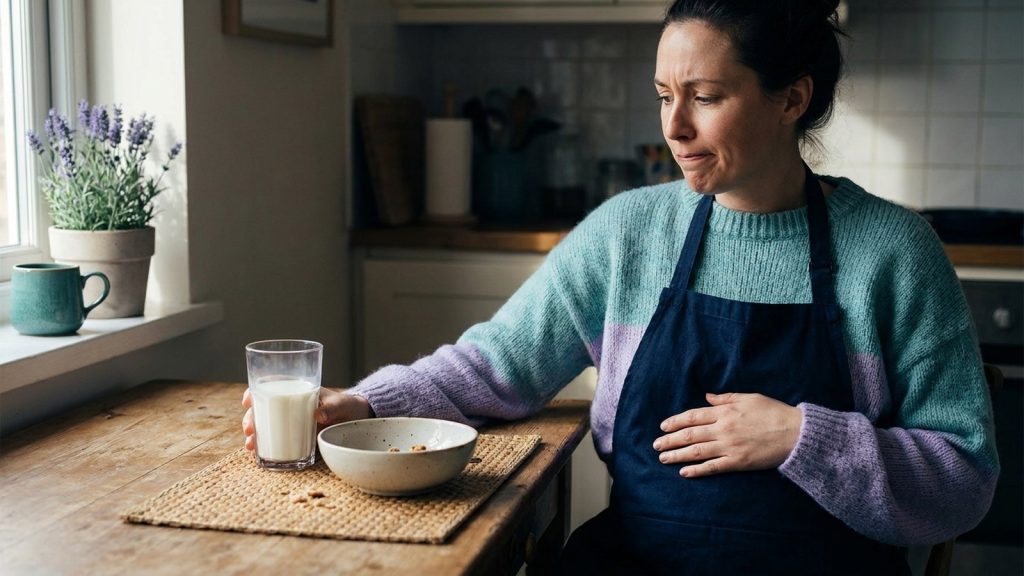
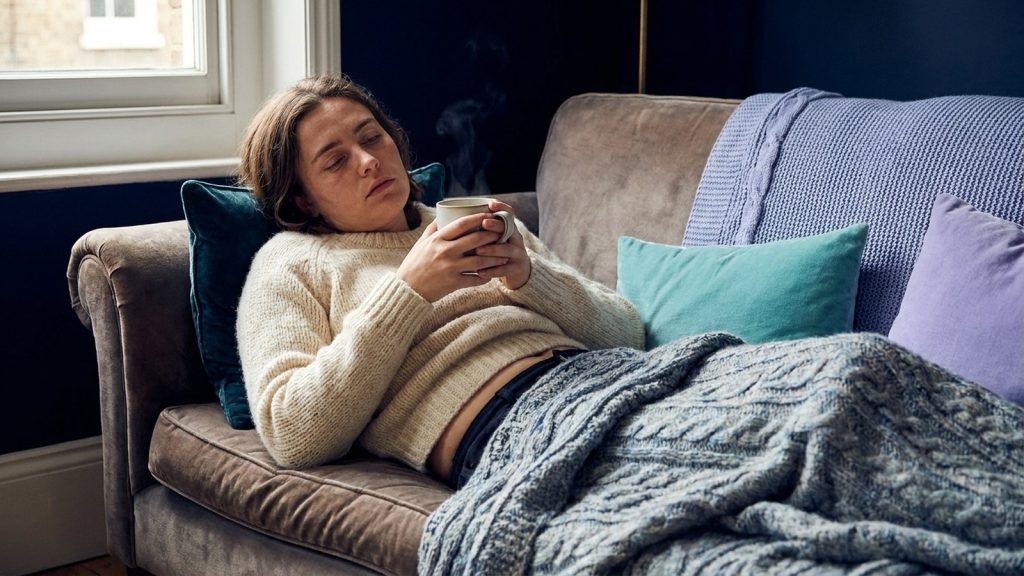
If you are asking “why can’t I sleep?”, the most common reasons are stress, an irregular schedule, caffeine or alcohol too late in the day, screens and light at night, and health issues such as sleep apnea. But there is another reason many people never consider: your body clock may simply run later than the schedule you are trying to keep. Research on hundreds of thousands of people shows that whether you are a morning lark or a night owl is partly written in your genes. Knowing your own wiring will not fix poor sleep on its own, but it may help you understand why standard advice has not worked and how to personalise a routine that fits you.
What this guide covers
- The common reasons you can’t sleep
- Why some people are wired to be night owls
- Caffeine, genes and your bedtime
- A practical sleep checklist
- How knowing your genes helps personalise sleep
- Where EvoDNA fits
- When to talk to a doctor
- Frequently Asked Questions
The common reasons you can’t sleep
First, a baseline. The CDC says adults aged 18 to 60 need 7 or more hours of sleep a night.1 If you regularly fall short, or you lie awake for a long time before drifting off, one or more of these everyday factors is usually involved.
Stress and a busy mind
Worries about work, money, relationships or loss are among the most common triggers of insomnia. So is worrying about sleep itself, which can turn one bad night into a pattern.2
An irregular schedule
Shift work, late nights on weekends, long daytime naps and travel across time zones all confuse your internal clock. The National Heart, Lung, and Blood Institute (NHLBI) lists irregular routines, noise or light at night and uncomfortable bedroom temperatures as insomnia risk factors.2
Caffeine, alcohol and nicotine
These are easy to underestimate. Caffeine can stay active for hours, alcohol can fragment the second half of the night, and nicotine is a stimulant. The CDC recommends avoiding caffeine in the afternoon and evening and avoiding large meals and alcohol before bed.1
Screens and light
Bright light in the evening tells your brain it is still daytime. The CDC suggests turning off electronic devices at least 30 minutes before bed.1
Age, hormones and family history
Insomnia becomes more common with age, it is more common in women, and hormonal shifts during pregnancy and menopause can affect sleep. NHLBI also notes that insomnia sometimes runs in families and that genes may affect whether you are a deep or light sleeper.2 That last point is where the night owl story begins.
Why some people are wired to be night owls
Your preference for early or late hours is called your chronotype. It is controlled by a network of “clock genes” that run a roughly 24-hour cycle in almost every cell of your body. Small differences in these genes can nudge your natural sleep window earlier or later.
The largest study of chronotype genetics to date analyzed data from 697,828 people in the UK Biobank and 23andMe. The researchers found 351 regions of the genome linked to being a morning person. People carrying the most “morning” variants went to sleep about 25 minutes earlier, measured with activity monitors, than people carrying the fewest.3 Each variant has a small effect, but together they add up.
For a small number of people, a single variant can have a bigger effect. Researchers identified a variant in the CRY1 gene in families with delayed sleep phase disorder, a condition where people struggle to fall asleep until very late and find it hard to wake at a normal time. The variant makes the CRY1 protein a stronger brake on the body clock, lengthening its daily cycle. The authors report the variant has a frequency of up to 0.6% in genomic databases.4
What does this mean for you? If you have always felt wide awake at 11 p.m. and foggy at 7 a.m., it may not be a lack of discipline. Your internal clock may genuinely run later. That does not mean you are stuck. It means the approach that works for an early bird may not be the best starting point for you.
| Tendency | Morning type (lark) | Evening type (night owl) |
|---|---|---|
| Natural sleepiness | Early evening | Late night |
| Easiest wake time | Early, often without an alarm | Later morning |
| Common struggle | Late social events, night shifts | Early work or school starts |
| Often helped by | Protecting an early bedtime | Morning daylight, dimmer evenings, a consistent wake time |
Caffeine, genes and your bedtime
Caffeine deserves its own section because so many people underestimate it. In a controlled study, a large dose of caffeine taken even 6 hours before bed reduced objectively measured sleep by more than an hour compared with a placebo.5
Genes appear to play a role in how strongly caffeine affects your sleep. Caffeine works by blocking adenosine, a chemical that builds “sleep pressure” through the day, and the ADORA2A gene makes one of the receptors it blocks. A study of 1,023 working adults found that heavy intake above 300 mg a day was linked to shorter sleep regardless of genotype, while among low consumers certain ADORA2A variants were linked to differences in sleep length and sleep complaints.6 The study was observational, so it shows links rather than cause and effect, but it fits what many people notice: one person can have an espresso after dinner and sleep fine, while another lies awake after a noon latte.
A practical sleep checklist
Before you look at genetics, try the basics for two to three weeks. They help most people, whatever their chronotype.
- ✓ Get up at the same time every day, including weekends.1
- ✓ Get bright daylight soon after waking, especially if you are a night owl.
- ✓ Set a caffeine cutoff. Start with early afternoon and move it earlier if sleep is still light.
- ✓ Keep your bedroom quiet, dark and cool.1
- ✓ Dim lights and put screens away at least 30 minutes before bed.1
- ✓ Avoid large meals and alcohol close to bedtime.
- ✓ Keep naps short and early, or skip them.
- ✓ Move your body during the day. Regular exercise supports better sleep.1
- ✓ Write down worries earlier in the evening so they are not waiting for you in bed.
If you have tried all of this and still can’t sleep, it is worth looking deeper, both at your health with a clinician and at the personal factors that make your sleep different.
How knowing your genes helps personalise sleep
A DNA test cannot tell you why you slept badly last night, and it does not replace a sleep study or a doctor’s evaluation. What it can do is show your inherited tendencies, which may help you stop fighting your biology and choose changes that are more likely to stick.
- Chronotype tendency. If your genes lean toward eveningness, you may benefit more from anchoring your wake time and morning light than from forcing an early bedtime.
- Caffeine sensitivity. If your profile suggests higher sensitivity, an earlier cutoff or smaller amounts may be a sensible first experiment.
- Sleep depth and duration tendencies. Knowing you may be a lighter sleeper can explain why noise, light or a warm room bothers you more than your partner.
- Stress and a racing mind. Genes such as COMT are linked to how the brain clears dopamine, which relates to stress and focus. Our guide to the COMT gene and stress explains more.
Think of genetic insights as a starting map. Your habits, environment and health still matter a great deal, and many people see real improvement from lifestyle changes alone.
Where EvoDNA fits
EvoDNA offers at-home DNA tests that look at sleep alongside many other areas of health. You collect one saliva sample at home with a simple cheek swab, mail it back, and your sample is analyzed by a Yale University-partnered, CLIA/CAP-certified lab. Results appear in your online account about 4 to 5 weeks after the lab receives your sample.
- Sleep Quality & Recovery Genetic Report ($129 as a single report): covers your genetic chronotype (early bird or night owl), sleep depth and duration tendencies, caffeine sensitivity and timing, and sleep habits suited to your profile. You can add it to a custom kit with other reports using one collection kit.
- Evo Blueprint ($349, one test, results for life): 300+ genes across 48 health areas, including sleep genes such as PER1, CLOCK and CRY1, with personalised nutrition, fitness and sleep plans. Every report is 50+ pages, analyzed by our doctor, with an actionable plan to improve.
- Evo Clock ($599): everything in Evo Blueprint plus an epigenetic biological age test from the same sample, helpful if you want to see how lifestyle, including sleep, may be showing up in how you age. Learn more in our guide Am I aging faster than I should?
US shipping is free. You can learn more about the sleep genes EvoDNA looks at on the Sleep DNA Test page, or compare all options on the plans page. If low energy is part of your sleep story, the Fatigue Genetic Report may also be relevant.
EvoDNA reports are educational wellness information, not a medical diagnosis. They describe tendencies and insights to discuss with your healthcare provider.
When to talk to a doctor
Some sleep problems need medical attention, not just better habits or genetic insight. Talk to a healthcare provider if:
- You snore loudly, gasp or stop breathing during sleep, or feel very sleepy during the day. These can be signs of sleep apnea, a common condition in which breathing repeatedly stops and starts during sleep.7
- Trouble sleeping lasts for weeks or months and affects your work, mood or safety.
- You think a medication, pain, low mood or anxiety is affecting your sleep.
- You have an urge to move your legs at night or other unusual nighttime symptoms.
For long-term insomnia, the American College of Physicians recommends cognitive behavioral therapy for insomnia (CBT-I) as the first-line treatment for adults. CBT-I combines sleep-focused cognitive therapy, behavioral strategies such as sleep restriction and stimulus control, and sleep hygiene education, and it can be done in person, by phone, online or with self-help books.8 Your genetic results can be a helpful conversation starter with your provider about which approach suits you.
Frequently Asked Questions
Why can’t I sleep even when I’m tired?
Feeling tired and being ready to sleep are not the same thing. Stress, caffeine late in the day, evening light or a body clock that runs late can keep your brain alert even when your body is exhausted. If it happens often, try a consistent wake time and earlier caffeine cutoff for a few weeks, and see a doctor if it continues.
Is being a night owl genetic?
Partly, yes. A study of nearly 700,000 people linked 351 genetic regions to chronotype, and rare variants in genes like CRY1 have been found in families with very delayed sleep timing.34 Age, light exposure and habits also shape when you feel sleepy.
Can a night owl become a morning person?
Many people can shift their schedule somewhat with consistent wake times, bright morning light and dimmer evenings. Your genetic tendency may make the shift harder or easier, so working with your chronotype, rather than against it, is often more realistic.
Can a DNA test tell me why I can’t sleep?
A DNA test can show tendencies such as chronotype, caffeine sensitivity and sleep depth, which may help you understand your patterns and personalise your routine. It cannot diagnose insomnia, sleep apnea or any other condition. Those need a healthcare provider.
How late can I drink coffee and still sleep?
It varies by person. In one controlled study, a large dose of caffeine taken 6 hours before bed still cut sleep by more than an hour.5 If you have trouble sleeping, an early afternoon cutoff is a reasonable starting point, and people who are more caffeine sensitive may need an earlier one.
What sleep genes does EvoDNA look at?
EvoDNA’s sleep insights include genes linked to circadian rhythm, such as CLOCK, PER1 and CRY1, along with genes related to caffeine and adenosine, such as ADORA2A. See the Sleep DNA Test page for details.
This article is for educational purposes and is not medical advice. Always consult a qualified healthcare professional before changing your diet, supplements, medications or treatment plan.
- Centers for Disease Control and Prevention. “About Sleep.” Accessed November 15, 2026. https://www.cdc.gov/sleep/about/index.html ↩
- National Heart, Lung, and Blood Institute. “Insomnia: Causes and Risk Factors.” Accessed November 15, 2026. https://www.nhlbi.nih.gov/health/insomnia/causes ↩
- Jones, S. E., J. M. Lane, A. R. Wood, et al. “Genome-wide association analyses of chronotype in 697,828 individuals provides insights into circadian rhythms.” Nature Communications 10 (2019): 343. https://doi.org/10.1038/s41467-018-08259-7 ↩
- Patke, A., P. J. Murphy, O. E. Onat, et al. “Mutation of the Human Circadian Clock Gene CRY1 in Familial Delayed Sleep Phase Disorder.” Cell 169, no. 2 (2017): 203-215.e13. https://doi.org/10.1016/j.cell.2017.03.027 ↩
- Drake, C., T. Roehrs, J. Shambroom, and T. Roth. “Caffeine Effects on Sleep Taken 0, 3, or 6 Hours before Going to Bed.” Journal of Clinical Sleep Medicine 9, no. 11 (2013): 1195-1200. https://doi.org/10.5664/jcsm.3170 ↩
- Erblang, M., C. Drogou, D. Gomez-Merino, et al. “The Impact of Genetic Variations in ADORA2A in the Association between Caffeine Consumption and Sleep.” Genes 10, no. 12 (2019): 1021. https://doi.org/10.3390/genes10121021 ↩
- National Heart, Lung, and Blood Institute. “Sleep Apnea: What Is Sleep Apnea?” Accessed November 15, 2026. https://www.nhlbi.nih.gov/health/sleep-apnea ↩
- American College of Physicians. “ACP Recommends Cognitive Behavioral Therapy as Initial Treatment for Chronic Insomnia.” May 3, 2016. Accessed November 15, 2026. https://www.acponline.org/acp-newsroom/acp-recommends-cognitive-behavioral-therapy-as-initial-treatment-for-chronic-insomnia ↩
Related DNA tests: Sleep DNA Test · Nutrition DNA Test
Get 20% off + members-only deals
Join the EvoDNA list: your promo code now, plus special offers and DNA health tips. No spam, unsubscribe anytime.
20% off Evo Clock & Evo Premium, 10% off Evo Blueprint. First order only. Not valid on other products.
You're in! Your code:
It is applied automatically when you add a kit to your cart. We also emailed it to you.