Guide · Updated November 2026 · Reading time: about 9 minutes
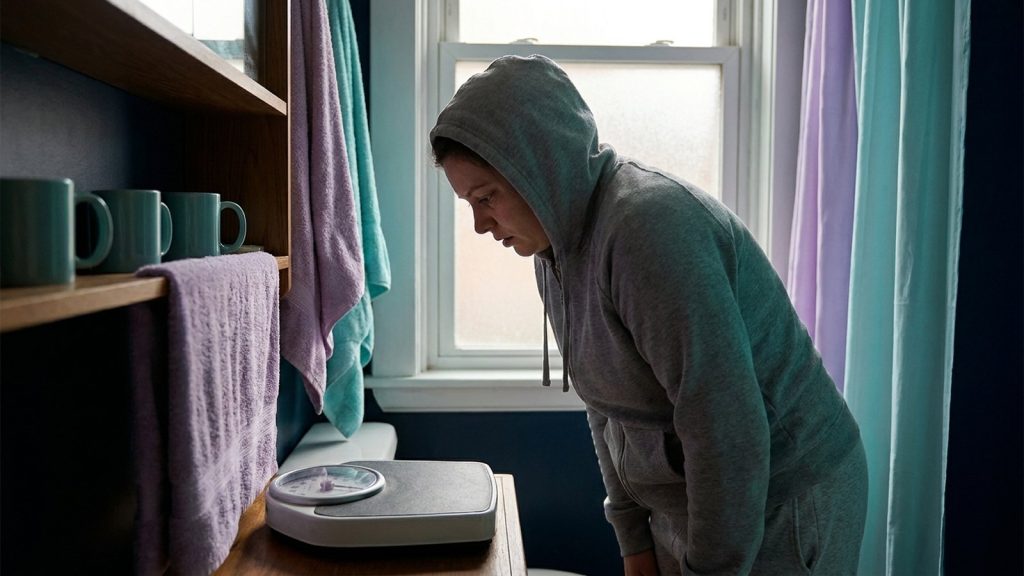
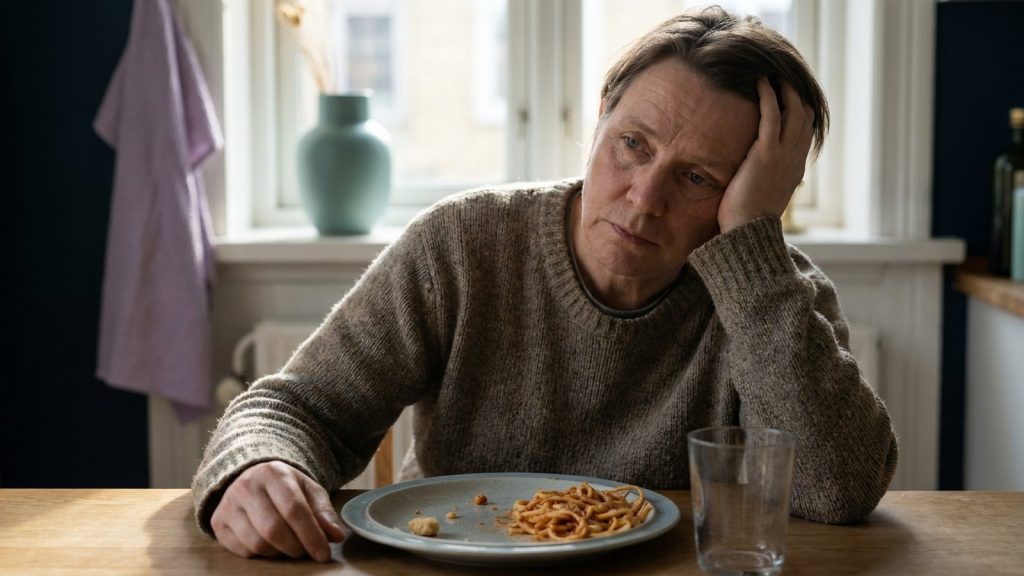
You might be aging faster than your birthday suggests if you tire more easily than friends your age, recover slowly, feel weaker, sleep poorly or look older than you expect. Those signs are clues, not proof. People of the same age really do age at different speeds, and the gap can show up as early as your 30s.1 To check, start with simple measures you can track at home and with your doctor, such as walking speed, grip strength, blood pressure and sleep. Then, if you want a number, an epigenetic biological age test estimates how old your body is behaving compared with your calendar age.
What this guide covers
- Do some people really age faster?
- Signs you may be aging faster than you should
- Common reasons people age faster
- How to check how fast you are aging
- Self-check: your aging snapshot
- Where your genes fit in
- Where EvoDNA fits
- Frequently Asked Questions
Do some people really age faster?
Yes. Your chronological age is the number of years since you were born. Your biological age describes how well your body’s systems are actually holding up. The two often do not match.
One of the clearest examples comes from the Dunedin Study in New Zealand, which followed 954 people born in the same year. When researchers measured them in their 20s and 30s, using markers of the lungs, gums, heart, kidneys, liver and immune system, people of exactly the same age were aging at very different rates. Those aging faster were already less physically able, showed early signs of cognitive and brain aging, rated their own health as worse and even looked older to people judging their photos.1
So the feeling that you are “older than your age” is not just in your head. It is something scientists can measure. The good news is that much of what drives the pace of aging is linked to daily habits you can work on.
Signs you may be aging faster than you should
No single sign proves anything. Many of these have simple, fixable causes like poor sleep, stress or a medical issue that needs attention. But if several show up together, it is worth looking closer.
You get tired faster and recover slower
Stairs leave you winded, a hard workout takes days to bounce back from, or a late night wipes you out for the week. Declining stamina and recovery are among the things that tend to change with biological aging.
You feel weaker
Opening jars, carrying groceries or getting up from a low chair feels harder than it used to. Muscle strength matters more than people think. In a study of nearly 140,000 adults in 17 countries, lower grip strength was linked to a higher risk of death from any cause and from heart disease, and it was a stronger predictor than blood pressure.2
You walk more slowly
Walking speed is a surprisingly powerful health signal. In a pooled analysis of nine studies with more than 34,000 adults aged 65 and older, faster gait speed was linked to longer survival across the full range of speeds.3
Your sleep has changed
Trouble falling asleep, waking often or never feeling rested can both reflect and feed faster aging. Adults aged 18 to 60 need 7 or more hours a night, and enough sleep supports heart health, metabolism, mood, memory and immune defenses.4
Brain fog and memory slips
Losing words, forgetting why you walked into a room or struggling to focus can come from stress and poor sleep. In the Dunedin research, faster agers already showed signs of cognitive decline before midlife.1
You look older than your friends
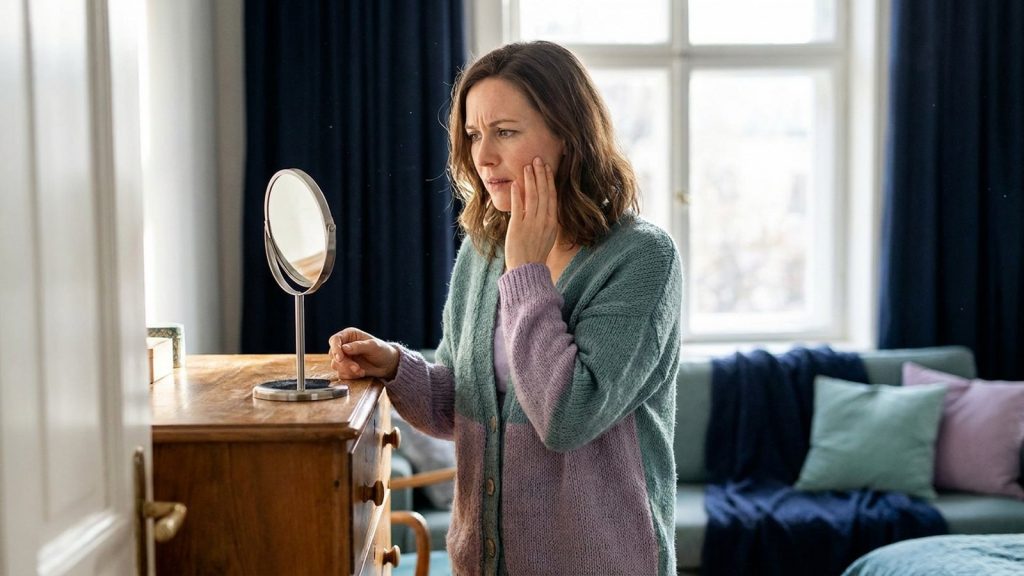
Skin, hair and posture are what people notice first. Looking older is not just vanity: in the same study, people who looked older in photos tended to be the ones whose bodies were aging faster on the inside.1
Your checkup numbers are creeping up
Rising blood pressure, blood sugar, cholesterol or waist size, especially when you have not changed much, can be a sign your metabolism is aging. These are worth discussing with your doctor whatever the cause.
Important: sudden fatigue, unexplained weight loss, new memory problems or rapid changes in strength should always be checked by a doctor. They can have medical causes such as thyroid problems, anemia or vitamin deficiencies that have nothing to do with “aging faster.”
Common reasons people age faster
Biological aging is shaped by many things at once. The most common, well-studied drivers are ones you will recognize.
Chronic stress
Long-term stress does more than make you feel worn out. In a well-known study of healthy women, those with the highest perceived stress had telomeres (the protective caps on chromosomes) shorter by the equivalent of at least a decade of extra aging compared with low-stress women.5
Weight and metabolic health
A large analysis of epigenetic clocks in over 4,500 people found that higher body mass index and signs of metabolic syndrome were linked to faster epigenetic aging, and that gaining weight over time went along with an increase in epigenetic age acceleration.6
Diet and activity
The same research found that markers of eating more fruits and vegetables, along with fish intake, physical activity and education, were linked to slower epigenetic aging. The authors concluded that epigenetic age largely confirms conventional wisdom: a plant-rich diet with lean protein and regular activity is linked to slower aging, while obesity is linked to faster aging.6
Poor sleep
Short or poor sleep is tied to weight gain, higher stress, poorer heart and metabolic health and higher risk of type 2 diabetes, heart disease and high blood pressure.4 All of those feed into how fast your body ages.
Early-life adversity
Some of the pace is set before adulthood. A DNA methylation measure of the pace of aging showed faster aging in young adults who had experienced childhood adversity.7 You cannot change your past, but knowing it can help you take your present habits more seriously.
Your genes
Your DNA shapes your tendencies: how you handle certain nutrients, how you respond to exercise, how you sleep, how your body manages inflammation and stress. Genes are not destiny, but they help explain why the same habits work differently for different people. More on that below.
How to check how fast you are aging
You do not need to guess. Here are practical ways to get a clearer picture, from free to more detailed.
| Method | What it tells you | Where to do it |
|---|---|---|
| Walking speed | A simple signal of overall physical function, linked to survival in older adults3 | At home or at a checkup |
| Grip strength | Muscle strength, linked to heart and overall health risk2 | Doctor’s office, gym or a home dynamometer |
| Blood pressure, blood sugar, cholesterol | How your heart and metabolism are holding up | Your doctor or pharmacy |
| Sleep tracking | Whether you get 7+ hours of real rest4 | Sleep diary or wearable |
| Epigenetic biological age test | An estimate of how old your body is behaving, based on DNA methylation patterns | At-home test kit |
| DNA (genetic) test | Your built-in tendencies for nutrition, fitness, sleep and more | At-home test kit, once in a lifetime |
What an epigenetic age test actually measures
Your DNA sequence stays the same for life, but chemical tags on your DNA, called methyl groups, change as you age. In 2013, researcher Steve Horvath showed that methylation patterns at a set of sites could estimate a person’s age across many different tissues and cell types.8 These tools became known as “epigenetic clocks.”
Newer measures look not only at your biological age but at your pace of aging. DunedinPACE, for example, is a DNA methylation blood test built from two decades of tracking how fast people’s organ systems declined. It was associated with disease, disability and death in several datasets.7
It helps to be realistic. Epigenetic clocks are estimates, results can vary between labs and methods, and many research clocks were developed using blood. A biological age result is best used as a personal baseline you can track over time, not as a verdict or a diagnosis.
Self-check: your aging snapshot
Tick the ones that sound like you. The more you tick, the more it may be worth getting a clearer picture and talking with your doctor.
- I get out of breath or tired faster than people my age.
- Recovery after exercise, illness or a late night takes longer than it used to.
- Everyday tasks that need strength feel harder.
- I usually sleep less than 7 hours or rarely wake up rested.
- I feel stressed most days, for months at a time.
- My weight, waist size, blood pressure or blood sugar has been creeping up.
- I have more brain fog or memory slips than before.
- People guess I am older than I am.
- I mostly sit during the day and rarely do strength training.
This checklist is a conversation starter, not a test. It cannot tell you your biological age. It can tell you where to look first.
Where your genes fit in
Most aging advice is generic: eat better, move more, sleep more, stress less. It is good advice, but it does not tell you what matters most for you. That is where knowing your genes can help.
Your genetic tendencies may help you understand, for example:
- Nutrition: how you may respond to carbs, fats or caffeine, and whether you may need more attention to nutrients such as folate or B12.
- Fitness: whether you may lean toward power or endurance, and how you tend to recover.
- Sleep and stress: tendencies that may affect how you sleep and handle stress.
- Inflammation and detox: how your body may handle everyday inflammation and toxins.
- Skin: tendencies related to skin health and aging.
Combine that with a biological age result, and you get two pieces of the puzzle: what you were born with, and how your body is responding to the life you live now. Retesting your biological age later can show whether your changes are moving in the right direction. For a deeper look at what tends to help, see our guide on how to slow down aging, and our explainer on biological age.
Where EvoDNA fits
EvoDNA offers at-home DNA and epigenetic testing from one saliva sample you collect at home, with no blood draw. Samples are analyzed by a Yale University-partnered, CLIA/CAP-certified lab, and results typically arrive in your EvoDNA account 4 to 5 weeks after the lab receives your sample.
- Evo Clock ($599): everything in Evo Blueprint plus an epigenetic biological age test. It estimates how old your body is behaving based on DNA methylation patterns, shows how different body systems such as immune, cardiovascular, metabolic and skin are aging, and includes a 90-day action plan.
- Evo Premium ($899): everything in Evo Blueprint and Evo Clock, plus lifestyle and health indices. EvoDNA’s most complete test.
- Evo Blueprint ($349): 300+ genes across nutrition, fitness, sleep, heart, metabolism, brain, skin and more. Your genes do not change, so one test gives you results for life.
- Single topics: if skin is your main concern, the Skin Health & Aging Genetic Report focuses on that area.
Each report is 50+ pages, analyzed by our doctor, with an actionable plan to improve, including nutrition, fitness and sleep plans based on your genes. Shipping is free in the US, and you can pay over time with Klarna or Affirm. EvoDNA reports are educational wellness information, not a medical diagnosis, so share your results with your doctor.
Not sure which test fits? Compare EvoDNA plans, or read our guide to the best biological age tests you can do at home.
Frequently Asked Questions
How do I know if I am aging faster than I should?
Look for a cluster of signs: lower stamina, slower recovery, weaker strength, slower walking, poor sleep, brain fog and checkup numbers creeping up. To go beyond guessing, track simple measures like walking speed, grip strength and blood pressure with your doctor, and consider an epigenetic biological age test for an estimate of how old your body is behaving.
Can you tell biological age from your face?
Partly. Research has found that people whose bodies were aging faster also tended to look older in photos.1 But appearance is shaped by many things, so it is a rough clue, not a measurement.
What causes premature aging?
Common drivers include chronic stress, poor sleep, excess weight and metabolic problems, inactivity, a low-quality diet and difficult early-life experiences, along with your genetic tendencies.567 Many of these are linked to habits you can work on.
Is a biological age test accurate?
Epigenetic clocks are among the best-studied ways to estimate biological age, and some are linked to disease, disability and mortality in research.7 Still, they are estimates, and different tests can give different numbers. They are most useful as a baseline you track over time with the same test.
Can I slow down how fast I am aging?
Research links a plant-rich diet, regular activity, a healthy weight, good sleep and lower stress with slower biological aging.6 Knowing your genetic tendencies may help you personalize those habits, and retesting your biological age can show how your body is responding.
How often should I test my biological age?
Your DNA only needs testing once. Biological age can change, so many people retest after several months of consistent lifestyle changes to see whether their number is moving.
This article is for educational purposes and is not medical advice. Always consult a qualified healthcare professional before changing your diet, supplements, medications or treatment plan.
- Belsky, D. W., A. Caspi, R. Houts, et al. “Quantification of Biological Aging in Young Adults.” Proceedings of the National Academy of Sciences 112, no. 30 (2015): E4104–E4110. https://doi.org/10.1073/pnas.1506264112 ↩
- Leong, D. P., K. K. Teo, S. Rangarajan, et al. “Prognostic Value of Grip Strength: Findings from the Prospective Urban Rural Epidemiology (PURE) Study.” The Lancet 386, no. 9990 (2015): 266–273. https://doi.org/10.1016/S0140-6736(14)62000-6 ↩
- Studenski, S., S. Perera, K. Patel, et al. “Gait Speed and Survival in Older Adults.” JAMA 305, no. 1 (2011): 50–58. https://doi.org/10.1001/jama.2010.1923 ↩
- Centers for Disease Control and Prevention. “About Sleep.” Accessed November 14, 2026. https://www.cdc.gov/sleep/about/index.html ↩
- Epel, E. S., E. H. Blackburn, J. Lin, et al. “Accelerated Telomere Shortening in Response to Life Stress.” Proceedings of the National Academy of Sciences 101, no. 49 (2004): 17312–17315. https://doi.org/10.1073/pnas.0407162101 ↩
- Quach, A., M. E. Levine, T. Tanaka, et al. “Epigenetic Clock Analysis of Diet, Exercise, Education, and Lifestyle Factors.” Aging 9, no. 2 (2017): 419–446. https://doi.org/10.18632/aging.101168 ↩
- Belsky, D. W., A. Caspi, D. L. Corcoran, et al. “DunedinPACE, a DNA Methylation Biomarker of the Pace of Aging.” eLife 11 (2022): e73420. https://doi.org/10.7554/eLife.73420 ↩
- Horvath, S. “DNA Methylation Age of Human Tissues and Cell Types.” Genome Biology 14, no. 10 (2013): R115. https://doi.org/10.1186/gb-2013-14-10-r115 ↩
Related DNA tests: Longevity DNA Test · Sleep DNA Test
Get 20% off + members-only deals
Join the EvoDNA list: your promo code now, plus special offers and DNA health tips. No spam, unsubscribe anytime.
20% off Evo Clock & Evo Premium, 10% off Evo Blueprint. First order only. Not valid on other products.
You're in! Your code:
It is applied automatically when you add a kit to your cart. We also emailed it to you.