Genetic testing for heart disease

Predict your heart disease risk before symptoms start.

Family history of heart disease? This test is for you.

Your Family History Isn’t Your Fate It’s your APOE, PCSK9, and 9p21 genes that determine your risk, here’s how:

Family history of heart disease?
This test is for you.

The EvoDNA heart health test combines genetic precision with epigenetic insight, showing how your genes shape cholesterol, blood pressure, and arterial strength — and how your lifestyle can rewrite the story.

See how your inherited risk and current lifestyle come together to shape your cardiovascular destiny — and how to change it.

Key Benefits

Early Insight

Detect silent cardiovascular risk decades before symptoms start.

Targeted Prevention

Align diet, movement, and treatment with your DNA.

Personalized Baseline

Compare your biological heart age to your chronological age.

Smart Monitoring

Track methylation and lipid markers for visible progress.

Lifestyle Precision

Know exactly what strengthens or stresses your arteries.

Validated by Yale Science

Developed using Yale-backed genomics and AHA-aligned standards.

Why It Matters

Heart disease doesn’t happen overnight — it builds quietly for years.

EvoDNA helps you turn hidden risk into measurable improvement — powered by Yale-validated genomic science.

Cholesterol
Genetic signals like PCSK9 and APOE regulate fat transport and clearance.

Circulation
NOS3 variants affect vessel tone and blood pressure.

Inflammation
Epigenetic drift from stress, smoking, and diet accelerates vascular aging.

Resilience
Methylation markers show whether your arteries are aging—or rejuvenating.

Genetic testing for heart disease | EvoDNA

Your DNA gives the blueprint—your lifestyle builds the fortress.  Discover your genetic and epigenetic heart profile today, and take control of tomorrow. Understand your genetic risk of heart disease early, take action now, and protect your future. Genetic testing for heart disease provides the health information you need to prevent cardiovascular disease, reduce your risk of developing heart conditions, and optimize heart health for life.

This testing can help you and your healthcare provider make informed decisions about prevention and treatment before heart disease, heart failure, or heart attack symptoms appear. Learn what your genes reveal about your heart—and what you can do about it.

What you will receive?

Who this test is for?

Frequently asked questions

The Science Behind Heart Risk

Heart disease begins long before diagnosis — in your genes and molecular patterns.

Polygenic Risk Scores (PRS):
EvoDNA analyzes thousands of variants controlling lipid metabolism, vessel elasticity, and inflammation. People in the highest risk range may face up to 3× greater lifetime risk of heart disease — even with normal labs.

Epigenetic Heart-Aging:
Markers like AHRR and ELOVL2 reflect how diet, smoking, stress, and sleep actively change vascular biology. These scores reveal whether your arteries are aging faster or healing stronger.

Heart disease and cardiovascular disease build quietly for years before symptoms appear. Genetic testing for heart disease can identify individuals at elevated risk of developing heart conditions, heart failure, or heart attack based on their DNA.

EvoDNA’s Heart Health Test merges polygenic risk scores, thousands of genetic variants linked to lipid balance, vascular tone, and inflammation, with epigenetic methylation markers that track how lifestyle choices are shaping your heart’s biology in real time.

Polygenic Risk

People in the top genetic risk range face up to a 3× higher lifetime risk of heart attack, coronary artery disease, or heart failure, even with normal cholesterol levels. Studies show that genetic testing can help identify these individuals early. EvoDNA’s analysis translates this risk into practical guidance for prevention, following American Heart Association recommendations.


Epigenetic Heart Aging

Markers like AHRR and ELOVL2 reveal how diet, smoking, stress, and sleep affect vascular aging. These testing results let you measure improvement—not just manage symptoms. This information doesn’t mean you will develop the condition, but it shows your current trajectory and how treatment or lifestyle changes affect your health.

Together, PRS and epigenetics give you the full picture — inherited risk + lifestyle reality.

Research on Heart Disease Genetics

According to the American Heart Association, genetic testing for heart diseases can help identify individuals with inherited conditions like familial hypercholesterolemia, thoracic aortic aneurysms, and certain heart conditions that run in families. Testing can provide critical information for family members who may share the same genetic risk, enabling early intervention and genetic counseling when needed.

Key Cardiovascular Genes

Gene

Function

What It Means for You

PCSK9

LDL receptor regulation

Controls cholesterol clearance and drug response

LDLR

Lipid metabolism

Determines baseline LDL and familial hypercholesterolemia risk

APOA5

Triglyceride transport

Shapes fat metabolism and diet response

SORT1

Vascular remodeling

Influences arterial elasticity and calcification

LPA

Lipoprotein(a) metabolism

Major independent heart attack risk factor

NOS3

Nitric oxide synthesis

Affects vessel tone, blood pressure, and endurance


These genes define how efficiently your cardiovascular system manages fat transport, vascular flexibility, and oxidative balance. Genetic testing for these markers provides individuals with information about their inherited risk and guides prevention strategies to reduce the risk of developing heart disease.


Testing results are interpreted following clinical guidelines and research from institutions like the American Heart Association, ensuring individuals receive accurate health information about their genetic risk profile.


Genetic Insights:
Show how your body handles cholesterol, blood pressure, and inflammation — your built-in blueprint.

Heart-health genes driving lipid balance, vascular tone, and inflammation control (PCSK9, LDLR, LPA) that affect your risk of developing cardiovascular disease and heart conditions. Genetic testing reveals inherited risk for heart diseases including coronary artery disease, heart failure, and familial hypercholesterolemia.

Epigenetic Insights:
Measure real-time vascular aging and the impact of stress, diet, and recovery habits.

Real-time vascular aging through methylation markers (AHRR, ELOVL2) that reflect diet, stress, and recovery. This testing shows how lifestyle affects your heart health and cardiovascular disease risk beyond what genes alone predict.

Combined:
Get a predictive and actionable map — what you’re born with, what’s changing now, and how to protect your heart long-term.

This predictive blueprint that merges inherited and lifestyle heart data—empowering you to outsmart genetic risk early. Combined genetic and epigenetic testing provides the most comprehensive health information about your heart disease risk, helping you and your healthcare provider develop personalized prevention strategies. Testing results show both what your genes say and what your lifestyle is doing—giving individuals complete information for heart health optimization.

Understanding Genetic Testing for Heart Disease:

Genetic testing for cardiovascular disease and heart conditions has become an important tool in preventive healthcare. Research and clinical guidelines from the American Heart Association support testing for individuals with family history of heart disease, early-onset cardiovascular disease, or specific inherited heart conditions.

The test analyzes genes involved in:

– Cholesterol metabolism—genetic variants that can lead to familial hypercholesterolemia and elevated cardiovascular disease risk

– Blood pressure regulation—genes affecting risk of developing hypertension and heart failure

– Vascular function—genetic markers associated with coronary artery disease and arterial health

– Structural heart diseases—mutations causing inherited heart conditions like thoracic aortic aneurysms, long QT syndrome, and atrial fibrillation

– Clotting factors—genes that affect risk of heart attack and thrombotic events


Your genetic testing results provide health information in a clinical format designed for easy access by your healthcare provider or for genetic counseling. The report includes:


– Specific genetic variants associated with heart disease risk and cardiovascular conditions

– Interpretation of what your genetic risk means for you and family members

– Evidence-based recommendations drawn from American Heart Association guidelines and cardiovascular research

– Information about whether family members should consider genetic testing

– Guidance on prevention strategies, healthcare treatment options, and monitoring for individuals with elevated genetic risk


This testing provides valuable information that can help optimize your heart health care and it is important to discuss with your healthcare provider. Research shows that individuals who receive genetic testing results for heart disease make more informed health decisions and work proactively with their providers on prevention.


Testing can identify risk of developing heart conditions like coronary artery disease and heart failure before symptoms appear. Even if you have genetic risk, it doesn’t mean you will definitely develop cardiovascular disease—but it gives you and your healthcare team the information needed to reduce that risk through targeted lifestyle changes, monitoring, and treatment when appropriate.


For individuals with family history of heart disease, genetic testing offers insights that can lead to earlier intervention and better outcomes. The American Heart Association notes that certain inherited heart conditions benefit significantly from early genetic testing and healthcare management for both the patient and family members who may share genetic risk.

Q: Can genetic testing predict a heart attack?


A: Genetic testing identifies your risk of developing heart disease and cardiovascular conditions, not the exact timing. The goal is early detection and prevention before the condition develops or symptoms appear. Testing can show if you have genetic variants that increase your risk of heart attack, heart failure, or coronary artery disease, allowing you and your healthcare provider to take preventive action.


Q: How accurate is genetic testing for heart disease?


A: Very. Polygenic risk scores are based on data from hundreds of thousands of individuals, showing clear distinctions between low and high genetic risk groups. Testing follows American Heart Association guidelines and clinical research standards. However, having a genetic risk doesn’t mean you will definitely develop heart disease—it means testing can help you understand your predisposition and take preventive measures.


Q: What if I already live a healthy lifestyle?

A: That’s perfect—your habits already lower your risk of heart disease. EvoDNA testing helps you confirm progress and refine your approach based on your specific genes and how your lifestyle affects your heart health through epigenetic markers.


Q: Will I need treatment or medication?

A: Your doctor may use your genetic testing results to guide treatment decisions or prevention strategies—from diet modification to monitoring to other alternatives (discuss with your healthcare provider). Testing provides information that helps individuals and providers make informed decisions about heart health management.


Q: Why combine genetics and epigenetics for heart disease testing?

A: Because genes show potential—but methylation shows current reality. This dual approach makes the testing results actionable and trackable over time. Genetic testing reveals inherited risk, while epigenetic testing shows how your lifestyle and health behaviors affect your heart in real time.


Q: How often should I retest?

A: Genetic testing for heart disease doesn’t need repeating since your DNA doesn’t change. However, epigenetic testing can be repeated every 6-12 months to monitor lifestyle impact and track improvements in heart-aging markers. Testing results can show measurable progress as you make health changes.


Q: What heart diseases does genetic testing detect?

A: Testing can identify genetic risk for multiple heart conditions and cardiovascular diseases including coronary artery disease, heart failure, familial hypercholesterolemia, atrial fibrillation, thoracic aortic aneurysms and dissections, long QT syndrome, and other inherited heart conditions. The test provides information about genes that can lead to these heart diseases.


Q: Should my family members get genetic testing too?

A: If your testing results show genetic variants associated with inherited heart disease, your family member may benefit from testing as well. Certain heart conditions like familial hypercholesterolemia and thoracic aortic aneurysms can affect multiple family members. Genetic counseling can help determine if testing is appropriate for your family.


Q: What does the American Heart Association say about genetic testing?

A: The American Heart Association and American Heart guidelines support genetic testing for certain inherited heart diseases and cardiovascular conditions, particularly when individuals have family history or when testing can provide information that changes healthcare management. Testing is recommended for specific heart conditions where genetic information affects treatment decisions.


Q: If I have genetic risk, does that mean I’ll definitely develop heart disease?

A: No. Having genetic risk doesn’t mean you will automatically develop cardiovascular disease or heart conditions. It means you have a higher likelihood compared to the general population. Many individuals with genetic risk never develop heart disease, especially when they use this information to make preventive health changes. Testing provides the information you need to reduce your risk through lifestyle and healthcare treatment.


Q: What are tests for heart disease genetic risk?

A: Tests for heart genetic risk analyze DNA variants in genes controlling cholesterol, blood pressure, inflammation, and vascular function. This genetic testing examines both common genetic variations affecting the broader population and rare mutations causing inherited heart conditions. Testing results provide comprehensive information about your cardiovascular disease risk profile.


Q: Can genetic testing can help prevent heart disease?

A: Yes. Research shows that individuals who know their genetic risk through testing make more informed health decisions and work with their providers on targeted prevention. Testing can identify risk of developing heart conditions early, when lifestyle changes and healthcare treatment are most effective. Genetic information empowers individuals to take control of their heart health proactively.


Your new blueprint for life is just one click away.

Download the EvoDNA App and start living in sync with your biology — smarter, stronger, and more resilient every day.

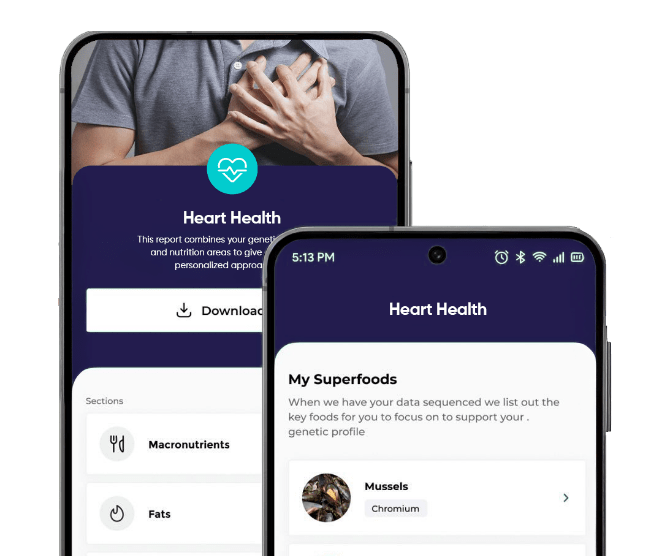
EvoDNA app screens showing cardiac risk markers and prevention plan

Guard your heart.

Your DNA gives the blueprint — your lifestyle builds the fortress.

Expert Reviewed | Top North American Labs | Powered by YALE Innovation | Secure Data Protection

Start your journey now.

EVO EVO EVO
Live Support