Immune System DNA Test

Flu season - Why people get sick more than others? Know your triggers—before it's too late.

Discover how your DNA and lifestyle shape your immune response — and unlock strategies to reduce “inflam-aging” and protect long-term health.

Your HLA genes determine how your immune system recognizes pathogens. Poor immune genetics don’t mean you’re doomed—but you need DIFFERENT strategies than people with strong natural immunity.

HLA, IL6, and TNF genes control how your immune system fights infection and response. FKBP5 methylation shows how well you handle cortisol.

Your immune genetics are different.

Inflammation is your body’s natural defense. But when it lingers, it becomes silent damage — speeding up aging and increasing your risk for arthritis, diabetes, cardiovascular disease, and dementia.

EvoDNA helps you uncover why your body reacts the way it does, and how to take control.

Key Benefits

Inflammation Profile

Identify genetic hotspots for cytokine overproduction and oxidative stress.

Epigenetic Tracking

See how diet, sleep, and environment amplify or calm your responses.

Personalized Cooling

Tailored anti-inflammatory plans, like omega-rich foods for specific variants.

Disease Prevention

Lower risks for arthritis, heart issues, and metabolic disorders.

Recovery Boost

Faster healing from workouts or injuries through targeted support.

Yale-Validated Science

Built on Yale-backed genomics and pharmacogenomic research.

Why It Matters

Infection Defense
Frequent colds, slow recovery, and increased susceptibility to viruses

Energy & Resilience
Low vitality, poor stress tolerance, and burnout

Brain & Mood Health
Immune imbalance impacts focus, mood stability, and mental clarity

Aging & Longevity
Accelerated immune aging weakens protection as you get older

DNA immunity test | EvoDNA

You’re Not Weak—Your Immune Genetics Are Different. You catch every cold. They never get sick. You have seasonal allergies—they don’t. It’s not hygiene. It’s your HLA genes and immune response genetics. Know your vulnerabilities, then strengthen defenses. Your coworker gets exposed to everything—never sick. You wash hands constantly—still catch every bug. It’s not you.

What you will receive?

Who this test is for?

Frequently asked questions

Variants in IL6 and TNF drive excessive cytokine release, while epigenetic shifts from poor diet hyper-methylate anti-inflammatory genes. This test uses GWAS-derived PRS and methylation clocks to quantify your baseline, with evidence showing lifestyle tweaks reduce markers by 25-40%.

Why Immune System Genetic Testing Matters

– Genetics explain variable responses to stressors, preventing unnecessary meds.

– Epigenetics show how sleep or gut health dials inflammation up/down.

– Proactive steps cut chronic disease risk by 30-50%.

How Our Bodies Fight Back: The Science of Inflammation

Genetic Advantage: Some people naturally suppress inflammation more easily, thanks to how their IL6 gene is methylated.

Immune System Switches: Histone acetylation acts like a switch, turning immune pathways on or off as needed.

Aging & Lifestyle: “Inflammaging” explains why inflammation increases with age, but your lifestyle choices can help slow this natural process.
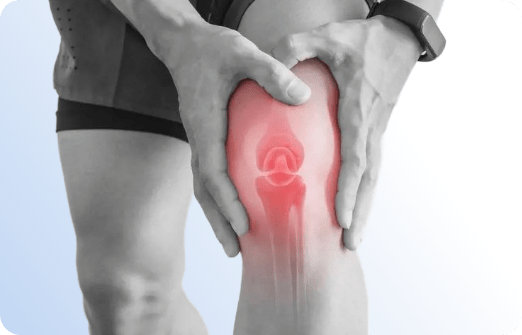
Inflammation is both a defense mechanism and a driver of disease. The Inflammation DNA Test integrates genetics and epigenetics to help you:

  1. Know Your Baseline: Understand your body’s unique inflammatory tendencies.
  2. Early Detection: Identify predispositions to “inflammaging” proactively.
  3. Personalized Plan: Tailor your anti-inflammatory approach (nutrition, exercise, recovery).
  4. Long-Term Health: Reduce your risk of chronic disease.  

[Order My Inflammation DNA Test Today]

Interpreting Your Inflammation Risk

IL6 & TNF: If you have high-risk genotypes, your body might react with stronger inflammation.

IL10: Lower levels of IL10 mean your body has fewer “brakes” on inflammation.

CRP: This helps explain if your blood tests show higher levels of inflammation.

NFKB1: Genetic changes here can influence your long-term disease risk by affecting your immune system.

Key Genes & Pathways

Focuses on immune signaling, antioxidant defense, and repair pathways. For instance, TNF rs1800629 boosts pro-inflammatory signals, while SOD2 supports free radical neutralization—insights direct glutathione or curcumin use.

Gene

SNP

Function

Impact

How it Relates to Long Term Disease

IL6

rs1800795

Cytokine production

G allele raises CRP levels

Chronic inflammation in joints/heart

TNF

rs1800629

Tumor necrosis factor

Increases NF-κB activity

Amplifies swelling and tissue damage

SOD2

rs4880

Superoxide dismutase

Val variant lowers efficiency

Higher oxidative stress burden

GPX1

rs1050450

Glutathione peroxidase

Pro allele reduces detox

Slower recovery from stressors

NFKB1

rs4648068

Transcription factor for immunity

Influences pathway activation

Modulates overall inflammatory response


Methylation in AHRR or F2RL3 reflects exposure-driven flares, reversible via habits like yoga or berry-rich diets. Tracks how cumulative stress or toxins shift your “inflammasome” balance.

The Lifestyle Link

Your lifestyle choices deeply influence inflammation, even if you have high-risk genes, through epigenetic changes that:

Alter cytokine gene activity

Regulate NF-κB pathway genes

Control immune responses

Drive age-related methylation changes

Reprogram immune genes through exercise & diet


Epigenetic Marker

Mechanism

Impact on Inflammation

IL6 promoter methylation

Regulates cytokine expression

Hypomethylation leads to sustained flares

TNF CpG sites

Epigenetic control of necrosis factor

Altered patterns from diet/stress

SOD2 mitochondrial marks

Oxidative response imprint

Tracks antioxidant needs over time

NFKB pathway methylation

Immune transcription silencing

Lifestyle influences flare frequency

AHRR cg05575921

Toxin exposure signature

Links pollution/smoking to chronic states


How We Compare

EvoDNA Advantage

Standard Test

Combines PRS, epigenetics, and actionable plans for full-body inflammation

Limited cytokine panels without lifestyle integration

Monitors changes with retesting and habit feedback

Static genetic report only

Does this diagnose conditions like arthritis?
No, it highlights predispositions for early management.

How reversible is inflammation?
Highly—epigenetic shifts from 3-6 months of optimized habits can normalize markers.

Better than blood tests like CRP?
It explains why your CRP is high, guiding long-term fixes.

Who benefits?
Anyone with fatigue, joint pain, or family history of inflammatory diseases.

Your new blueprint for life is just one click away.

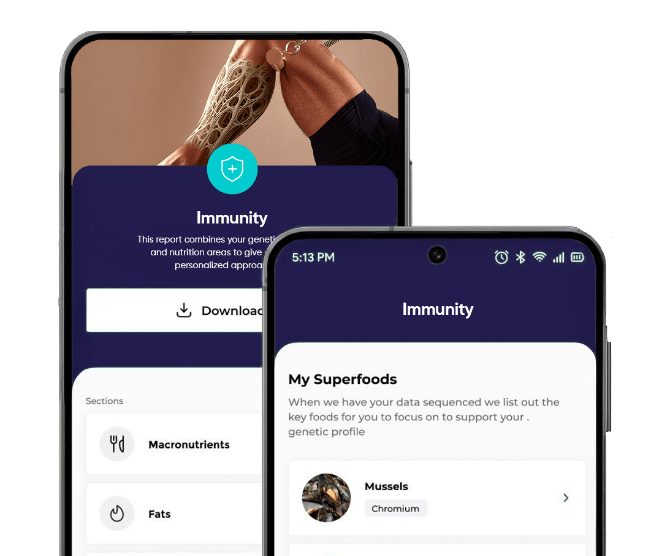
Download the EvoDNA App and start living in sync with your biology — smarter, stronger, and more resilient every day.

EvoDNA app screens showing immune function, inflammation markers, and support

Tame inflammation at its source with EvoDNA—unlock balance for energy, recovery, and vitality that lasts.

Expert Reviewed | Top North American Labs | Powered by YALE Innovation | Secure Data Protection

Start your journey now.

EVO EVO EVO
Live Support